Yes, children can develop hyperpigmentation, especially after skin inflammation or sun exposure, but most cases are harmless and treatable.

 Skip to content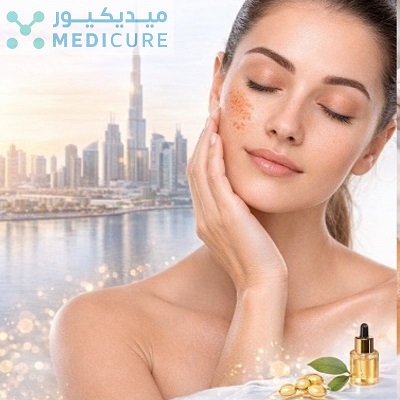
Hyperpigmentation is one of the most prevalent skin conditions are challenging for many peoples including men and women. But we are offering different treatments at the Medicure Clinic in Dubai. These skin concerns are described as dark spots or patches on the skin. These problems can develop because of excessive melanin production in particular regions of the applicants.
Although it doesn’t cause major health issues, it can have an impact on your skin’s appearance. But the most concerning aspect is finding the most effective skin discolouration treatment.
Hyperpigmentation can be more permanent in Dubai’s sunny atmosphere. The consultation with the dermatologist will help to identify the root cause.
The hyperpigmentation occurs when the organic colour melanin is produced in excess in some regions of the skin. It makes those spots darker than the skin around them.
When the cells that produce pigment, called melanocytes, become hyperactive in reaction to certain stimuli, it can lead to pigmentation.
On the face or body, the consequence might manifest as sunspots, melasma, post-acne markings, or irregular areas.
Common Causes of Hyperpigmentation
Many factors are the main causes of pigmentation. But it can vary from patient to patient. The following are the key causes:
Our treatment regimens at Medicure Clinic are customized according to your skin type, the reason for your discoloration, and the depth of the pigmentation. The primary pigmentation treatments are as follows:
Among the best treatments for recalcitrant pigmentation are laser pigmentation treatments under medical supervision. Without causing damage to the surrounding skin, these therapies target excess melanin.
Typical laser choices consist of:
All pigmentation treatments at Medicure Aesthetic Clinic are performed under a dermatologist’s supervision to ensure safety and optimal outcomes.
Chemical peels eliminate pigmented surface skin by using well-regulated medical exfoliants. This promotes the emergence of more even-toned, youthful skin over time. Depending on your ability to react and coloration, peels can be shallow or deep.
Fine needles are used in microneedling for pigmentation to promote collagen and improve the absorption of restorative serums. For a more comprehensive outcome, microneedling is frequently used in conjunction with topical or laser treatments.
Creams that are prescribed or of clinic quality can aid in the fading of superficially pigmented regions. These might consist of:
A dermatologist chooses them based on the kind of Melasma treatment and the resistance of your skin.
Protection from the sun is crucial, as treating existing spots prevents further pigmentation. This comprises:
You may be a good candidate for professional pigmentation treatment if:
Depending on your skin type, a dermatologist consultation in Dubai can help to determine if you are a good fit for a certain therapy.
The most effective treatment depends on the cause but typically includes laser therapy, chemical peels, topical retinoids, or medical-grade brightening agents.
Hyperpigmentation may fade within 3–6 months with treatment, but deeper pigmentation can take longer depending on severity and skin type.
Yes, UV exposure increases melanin production and can darken existing pigmentation or trigger new dark spots.
Some types can be significantly reduced or cleared with professional treatment, but recurrence is possible without sun protection and maintenance.
Pregnancy-related hyperpigmentation is caused by hormonal changes, especially increased estrogen and progesterone, which stimulate melanin production.
Safe treatments during pregnancy include sunscreen, azelaic acid, and gentle topical antioxidants, while strong lasers and retinoids should be avoided.
Pregnancy pigmentation often fades within a few months postpartum, but some cases may require dermatological treatment.
Yes, azelaic acid helps reduce melanin production, making it effective and generally safe for treating mild to moderate pigmentation.
Laser treatments typically deliver faster results, while chemical peels and topical creams provide gradual improvement over multiple sessions.
In children, hyperpigmentation may result from eczema, insect bites, minor injuries, or genetic factors affecting melanin production.
The expert at Medicure Aesthetic Clinic in Dubai will provide you with safe treatment for dark spots or uneven skin tone.
Fill out the form below to book a consultation. After evaluating your skin, our dermatology specialists will determine the root cause of your pigmentation and provide a safe, individualized treatment strategy.