 Skip to content
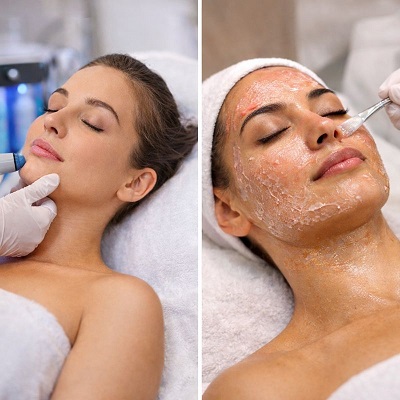
When it comes to advanced skincare treatments, HydraFacial and chemical peels are two of the most popular choices in aesthetic dermatology. Both are designed to improve skin texture, tone, and overall appearance—but they work in very different ways.
A common question patients ask is: Is HydraFacial better than a chemical peel?
The honest answer is: it depends on your skin concerns, goals, and downtime tolerance. In this detailed guide, we’ll break down how each treatment works, their benefits, differences, and how to choose the right option for your skin.
What Is a HydraFacial?
A HydraFacial is a non-invasive, medical-grade facial treatment that combines cleansing, exfoliation, extraction, hydration, and antioxidant protection in one session. It uses a patented vortex technology device that gently removes dead skin cells and impurities while infusing the skin with nourishing serums.
Unlike traditional facials, HydraFacial works deep within the pores without irritation, making it suitable for nearly all skin types.
How a HydraFacial Works
- Cleanse & Exfoliate – Removes dead skin cells and surface debris
- Gentle Acid Peel – Loosens dirt and oil without irritation
- Extraction – Vacuums out blackheads and clogged pores painlessly
- Hydration – Infuses antioxidants, peptides, and hyaluronic acid
Benefits of HydraFacial
- Instant glow and deep hydration
- Improves dullness and uneven skin tone
- Clears clogged pores and blackheads
- Smooths fine lines and rough texture
- Suitable for sensitive and acne-prone skin
- No downtime or recovery
Best for: Maintenance, hydration, glow, and pre-event skin rejuvenation.
What Is a Chemical Peel?
A chemical peel is a skin-resurfacing treatment that uses carefully formulated acids to exfoliate the outer layers of the skin. By removing damaged skin cells, chemical peels stimulate cell renewal and collagen production.
Chemical peels vary in strength and depth, allowing dermatologists to customize treatment based on specific skin concerns.
Types of Chemical Peels
- Light Peels – Mild exfoliation for glow and pigmentation
- Medium Peels – Target acne scars, sun damage, and uneven texture
- Deep Peels – Advanced resurfacing for severe skin concerns
Benefits of Chemical Peels
- Reduces pigmentation and sun damage
- Improves acne and post-acne scars
- Refines pores and uneven skin texture
- Stimulates collagen for firmer skin
- Provides long-term skin renewal
Downtime: Can range from mild redness to visible peeling, depending on peel strength.
Best for: Corrective treatment and deeper skin concerns.
HydraFacial vs Chemical Peel: Key Differences
| Feature | HydraFacial | Chemical Peel |
|---|---|---|
| Treatment Type | Device-based exfoliation & hydration | Acid-based exfoliation |
| Downtime | None | Mild to moderate |
| Results | Instant glow | Gradual but deeper |
| Skin Sensitivity | Safe for sensitive skin | Depends on peel strength |
| Pain Level | Comfortable | Mild tingling or burning |
| Best For | Hydration, glow, maintenance | Pigmentation, acne scars, texture |
Which Treatment Is Better for You?
Choose HydraFacial If You:
- Want immediate, visible results
- Prefer a gentle, relaxing treatment
- Have dry, sensitive, or dehydrated skin
- Need a no-downtime facial
- Want ongoing skin maintenance
Choose a Chemical Peel If You:
- Have stubborn pigmentation or melasma
- Struggle with acne scars or uneven texture
- Want deeper skin resurfacing
- Can allow a few days of recovery
- Are seeking long-term corrective results
Can HydraFacial and Chemical Peels Be Combined?
Yes—and this is often the best approach.
Many dermatologists recommend a customized skincare plan that includes both treatments:
- Chemical peels to correct deeper skin concerns
- HydraFacials to maintain hydration, glow, and skin health
For example, a peel may be performed every few months, while HydraFacials are scheduled monthly to keep skin balanced and radiant.
Are These Treatments Safe?
When performed by trained professionals, both HydraFacial and chemical peels are safe and effective. A consultation is essential to:
- Assess skin type and concerns
- Choose the appropriate peel strength
- Avoid irritation or complications
Post-treatment care and sun protection are crucial—especially after chemical peels.
Final Verdict
There is no one-size-fits-all answer.
✔ HydraFacial is ideal for gentle, instant rejuvenation with zero downtime. ✔ Chemical peels are better for addressing deeper skin issues and achieving long-term improvement.
The best treatment depends on your skin goals, lifestyle, and expectations. A professional dermatology consultation will ensure the safest and most effective results.
Ready to Transform Your Skin?
Book a consultation with a qualified skincare professional to discover whether HydraFacial, a chemical peel, or a combination of both is right for you. Healthy, glowing skin starts with the right treatment plan.